Helmets - you only want the best!
April 03, 2026
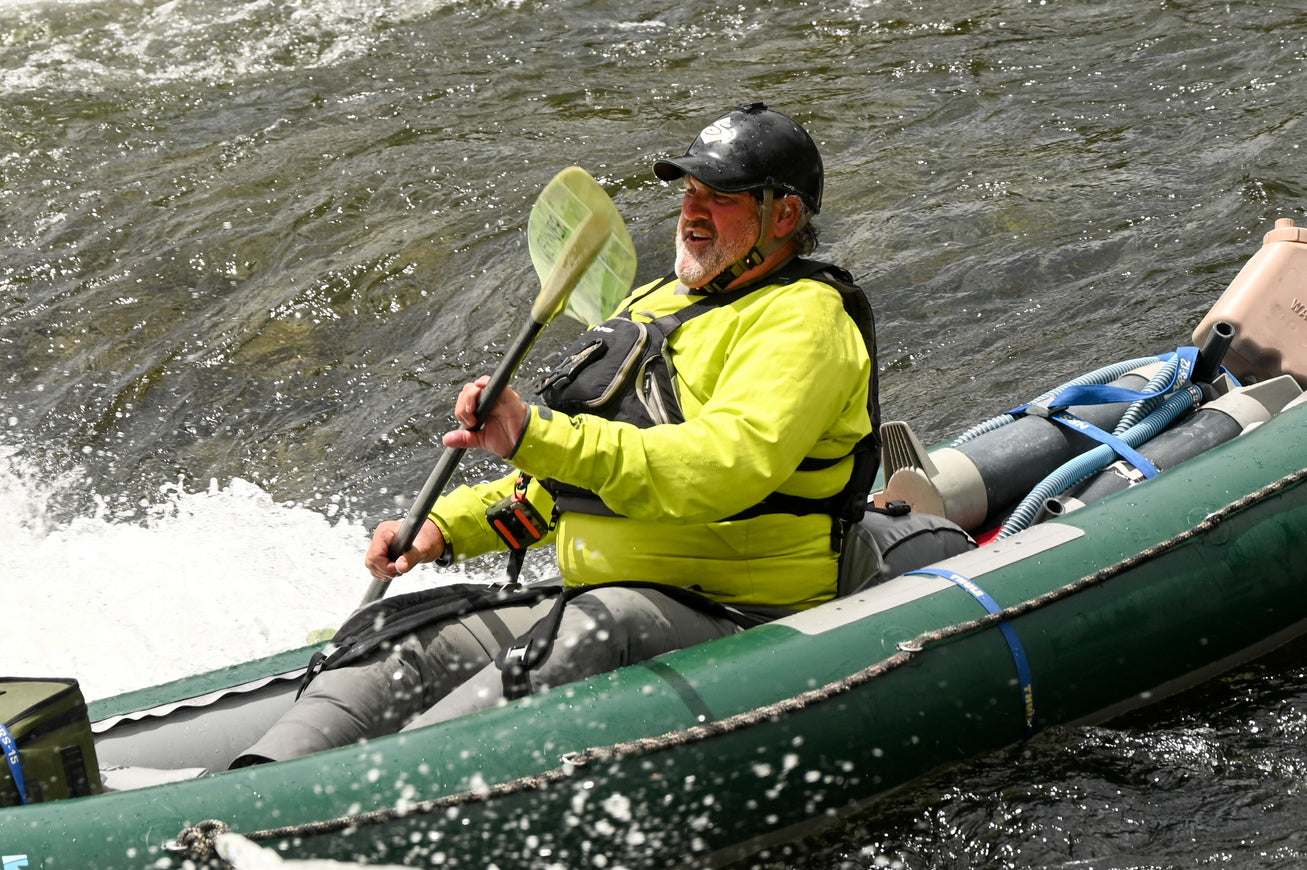
Finding Your Line: How to Choose the Best Helmet for whitewater river running or performance sea kayaking
When you’re staring down a rapid or a big wave and pile of rocks, your focus should be on your line, not your gear. However, the most critical piece of equipment you’ll ever wear is the one protecting your brain. In rough water paddling, a "swim" or a "capsize" isn’t just about getting wet—it’s about the risk of hitting submerged rocks or your own gear.
Choosing the right helmet is a balance of safety standards, materials, and fit. Here is how to navigate the options to find the best protection for your head. Outdoorplay has a great selection of highly rated helmets.
1. Safety Certifications: The Bare Minimum
Before looking at colors or brands, check the certification. For paddlesports, the industry standard is CE EN 1385. This ensures the helmet has been tested for:
-
Impact protection against multiple low-velocity hits.
-
Buoyancy, so the helmet doesn’t pull your head underwater.
-
Strap strength, ensuring it stays on during a turbulent swim.
While some paddlers use skate or bike helmets, these are not designed for constant water immersion and may lack the specific coverage needed for a rocky riverbed. They are not reccomended.
Virginia Tech Helmet ratings is a good resource for assessing different helmet performance besides just the CE EN 1385 standard.
2. Shell Materials: Plastic vs. Composite
The "best" helmet often depends on the type of water you run.
-
ABS Plastic: Most common and affordable. These shells are designed to flex and absorb energy. They are incredibly durable for everyday use and "bumping" off rocks.
-
Carbon/Composite: Preferred by creekers and high-stakes paddlers. These materials are stiffer and lighter. They spread the force of a high-impact collision over a larger surface area, offering superior protection in "big" water scenarios.
3. Coverage Styles
Do you need a "half-cut" or a "full-face"?
-
Half-Cut: The standard choice. It covers the top and back of the head while leaving the ears exposed (or covered by removable pads). It offers great peripheral vision and hearing.
-
Full-Cut: Extends over the ears. This provides extra protection against side impacts and helps keep ears warm in cold water.
-
Full-Face: Essential for steep creeking. These include a jaw guard to protect your teeth and face from "pitoning" or hitting rocks in shallow, technical drops.
4. The Perfect Fit: A "No-Wiggle" Policy
A helmet is only effective if it stays in place during an impact. When trying on a helmet, follow these steps:
-
The Shake Test: Put the helmet on without the chin strap tightened. Shake your head. It should stay snug and not slide over your eyes or expose your forehead.
-
The Forehead Rule: The front rim should sit about two finger-widths above your eyebrows.
-
Outfitting: Most high-end helmets come with "Fit Pads" or an O-Brace tension system at the back. Use these to customize the interior shape to your specific head geometry.

5. Comfort and Drainage
Finally, consider the details. Look for a helmet with a closed-cell foam liner (like EVA or EPP) that won't soak up water like a sponge, making it heavy. Effective drainage ports are also vital; they allow water to exit quickly after a roll so you aren't fighting the weight of the river while trying to breathe.
Pro Tip: If you have a significant impact where the shell cracks or the inner foam compresses, replace the helmet immediately. Its integrity has been compromised to save your head—it’s done its job.
By prioritizing a certified, well-fitted helmet, you can hit the eddy with the confidence that you’re prepared for whatever the river throws your way.